PFAS in DFW water: what the record actually shows.
PFAS is worth asking about, and the answer depends entirely on who supplies your water. Here is what the cities and districts serving our fourteen markets actually report, and what treatment addresses it at home.
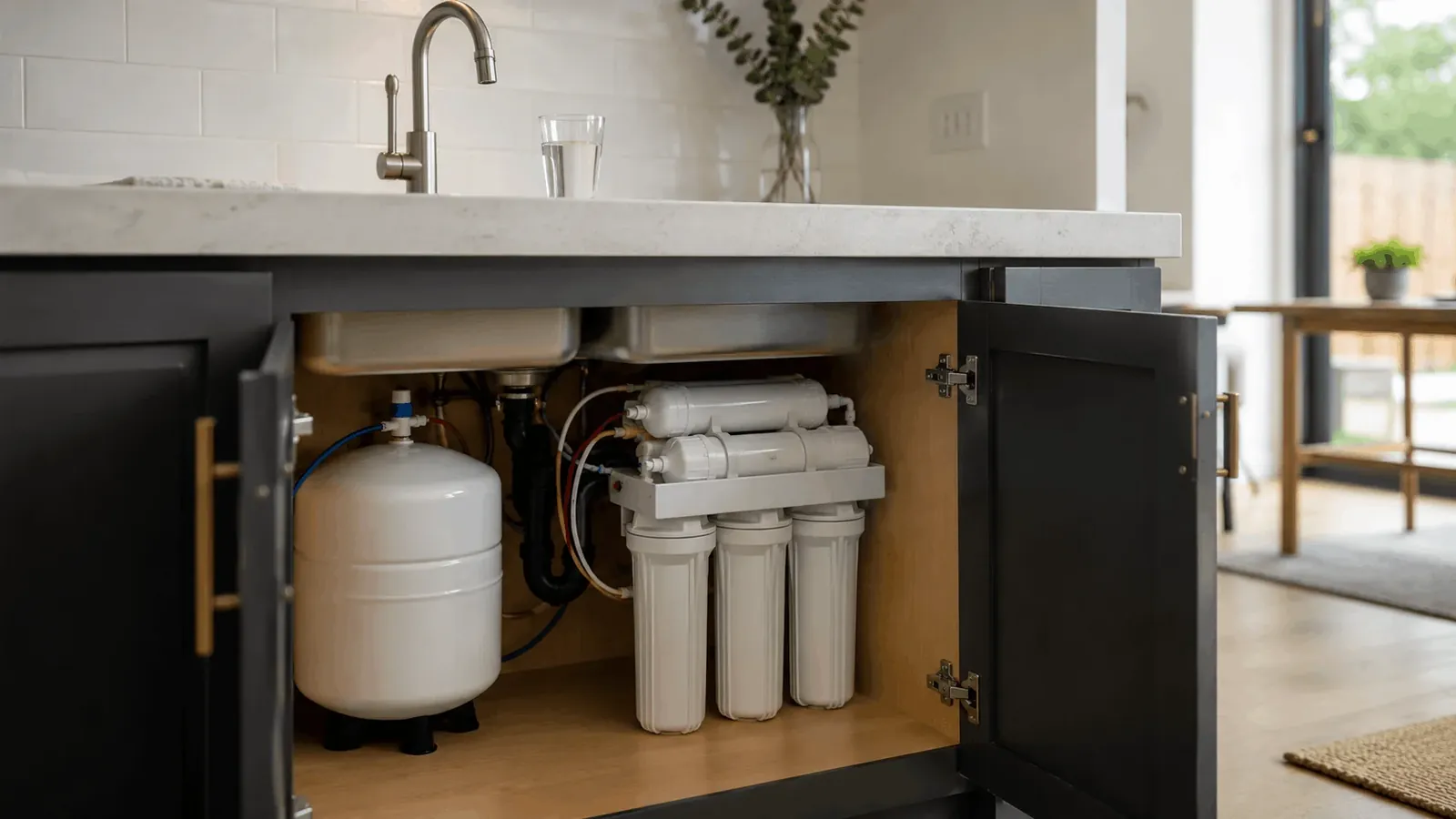
Does reverse osmosis remove PFAS?
Yes. Reverse osmosis membranes reject the great majority of PFAS compounds at the point of use, which is why it is the standard residential answer where PFAS is monitored or has been detected. It treats the tap it is plumbed to, not the whole house.
What each city’s record says.
PFAS is a family of synthetic compounds subject to increasing regulatory monitoring. What matters locally is what your own supplier reports, and across our fourteen cities that varies from a documented city action to an explicit non-detection to nothing published at all.
| City | What the record shows | Status |
|---|---|---|
| Colleyville | PFOA, PFOS, PFHxS, PFNA, PFBS and PFHpA listed as tested but not detected | Clean result, confirm in the current CCR |
| Fort Worth | The city pursued a major PFAS action | Documented city action |
| Southlake | Follows the Fort Worth profile, including its PFAS context | Inherited from supplier |
| Dallas | Monitored under EPA UCMR5 | Monitoring rule, not a detection claim |
| Melissa | Dissolved solids reported at 455 ppm, the highest of our cities | A drinking water case regardless of PFAS |
A clean result is worth saying out loud.
The default move in this market is to lead with contamination anxiety. Colleyville’s own reporting lists the PFAS compounds it tests for as not detected, and saying so plainly, with the city report cited, is more useful than an alarm.
It also moves the conversation to what the data does show in that city: disinfection byproducts including bromate, trihalomethanes and haloacetic acids, which are a taste and point-of-use question rather than a PFAS one.
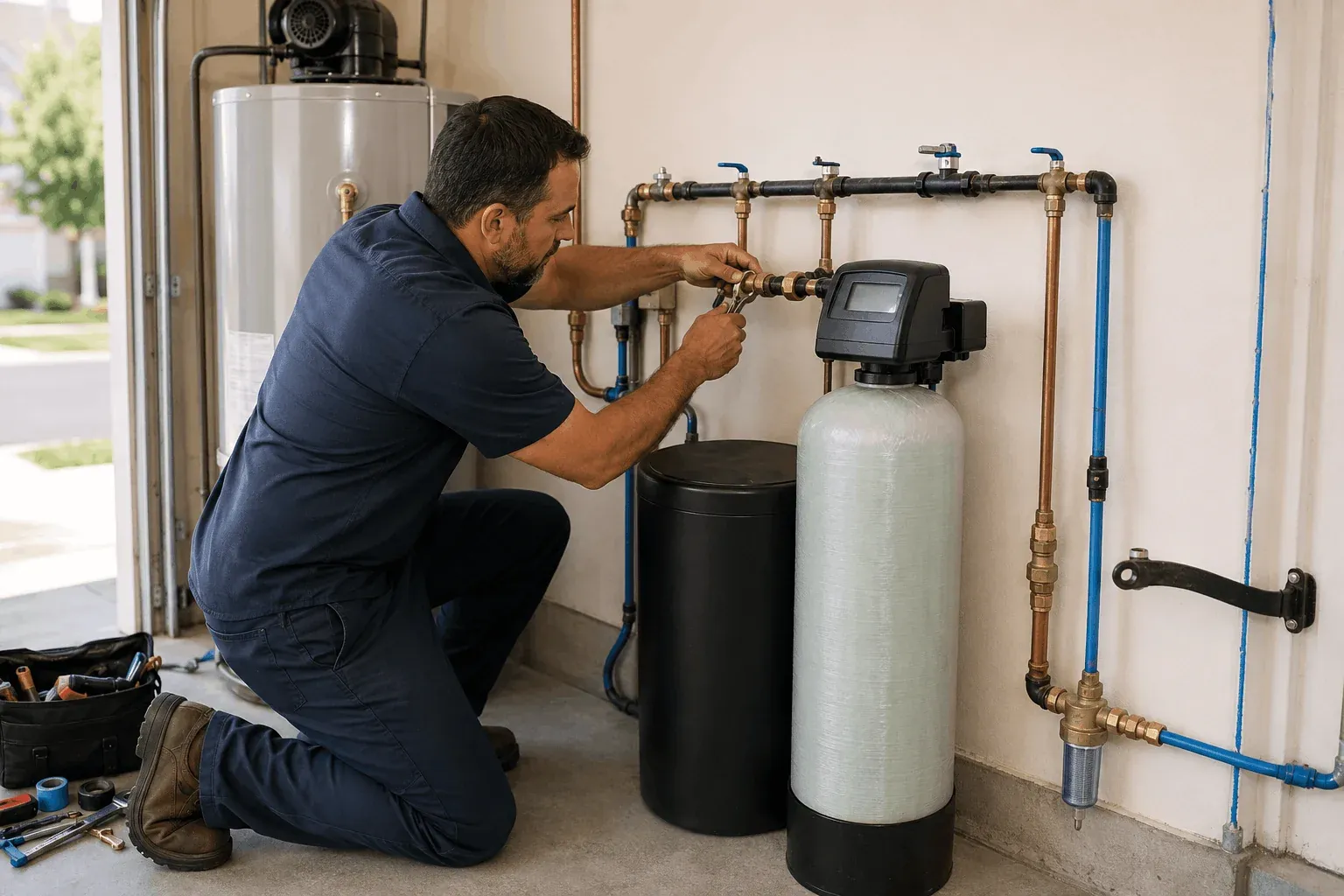
What to do about it at home.
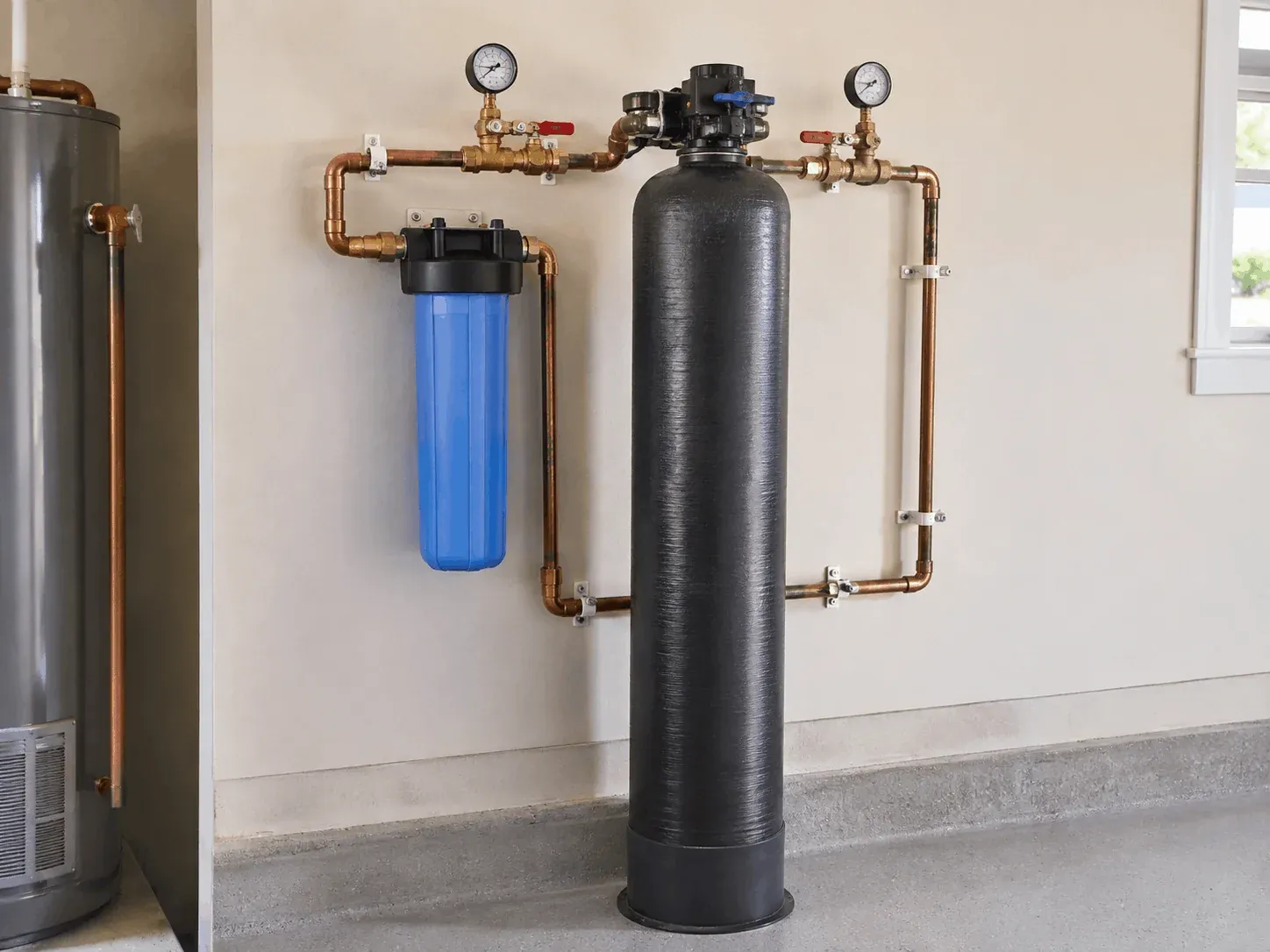
For PFAS specifically, the practical residential answer is a reverse osmosis station at the tap you drink from. Membrane rejection is high across the PFAS family at point of use. Whole house carbon filtration is not the tool for this job, its target is chlorine and chloramine.
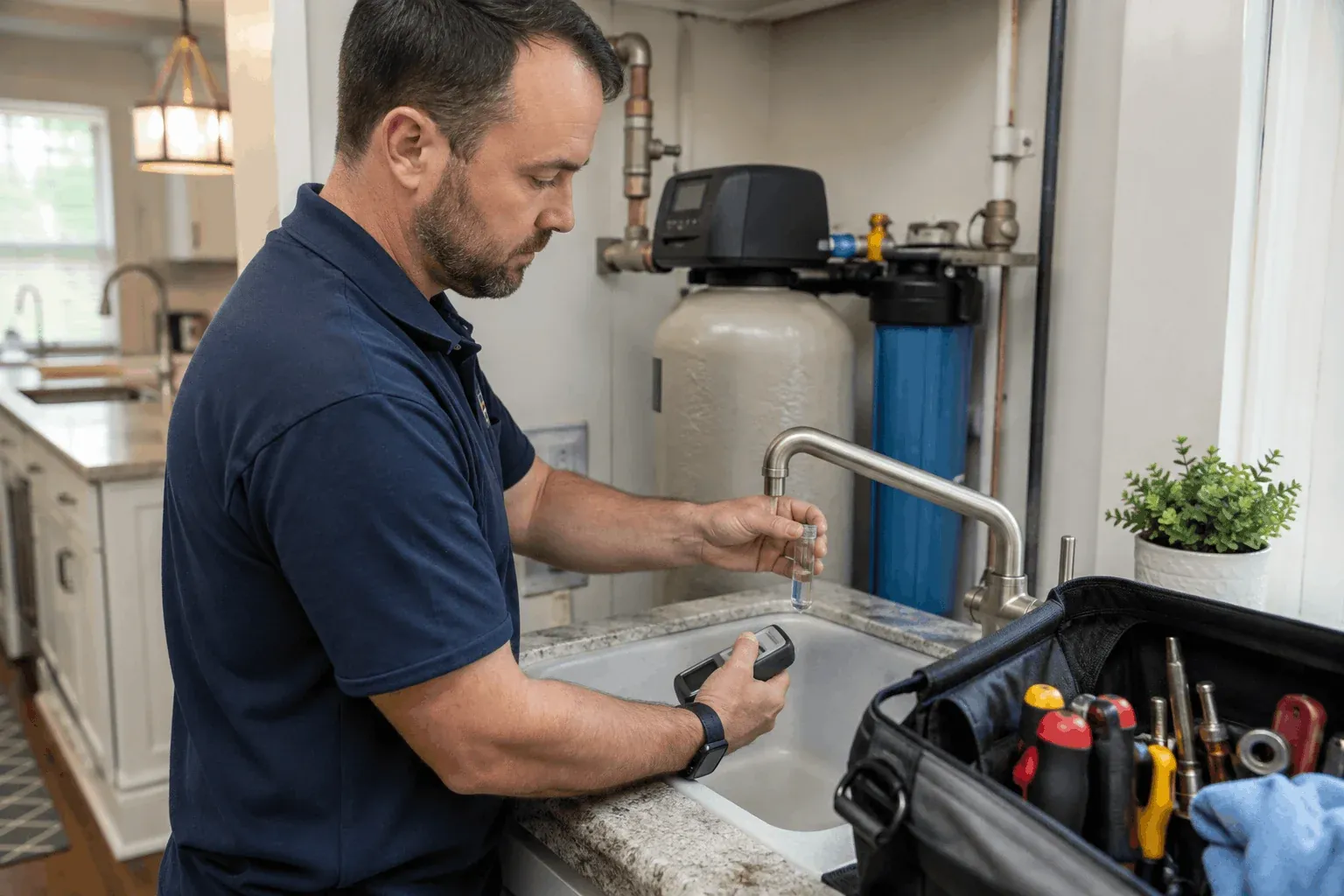
If PFAS is your primary concern, the sequence is: check what your own supplier reports, get a dissolved-solids reading at your kitchen tap, and treat the drinking tap.
Answered before you ask.
Is there PFAS in my DFW tap water?
It depends entirely on your supplier, and for several of our cities the honest answer is that no municipal PFAS data has been published. Colleyville reports the compounds it tests for as not detected. Dallas monitors under EPA UCMR5, which is a national monitoring rule rather than a detection.
Does a whole house filter remove PFAS?
Not reliably. Whole house carbon is specified for chlorine and chloramine. For PFAS the practical residential answer is a reverse osmosis membrane at the drinking tap, which is why the two systems are often installed together for different reasons.
My city is not listed here. What does that mean?
It means the city has not published PFAS results we can point you to, not that anything has been found. If PFAS is your main concern, the practical step is the same either way: a membrane at the tap you drink from handles it at the point of use.
Start with a reading at your own tap.
If it is the drinking water you are unhappy with, tell us. We will quote a system for the kitchen faucet.