DFW water quality, city by city.
Hardness, supplier, source water and disinfectant for fourteen cities, each traced to the city or district report it came from.
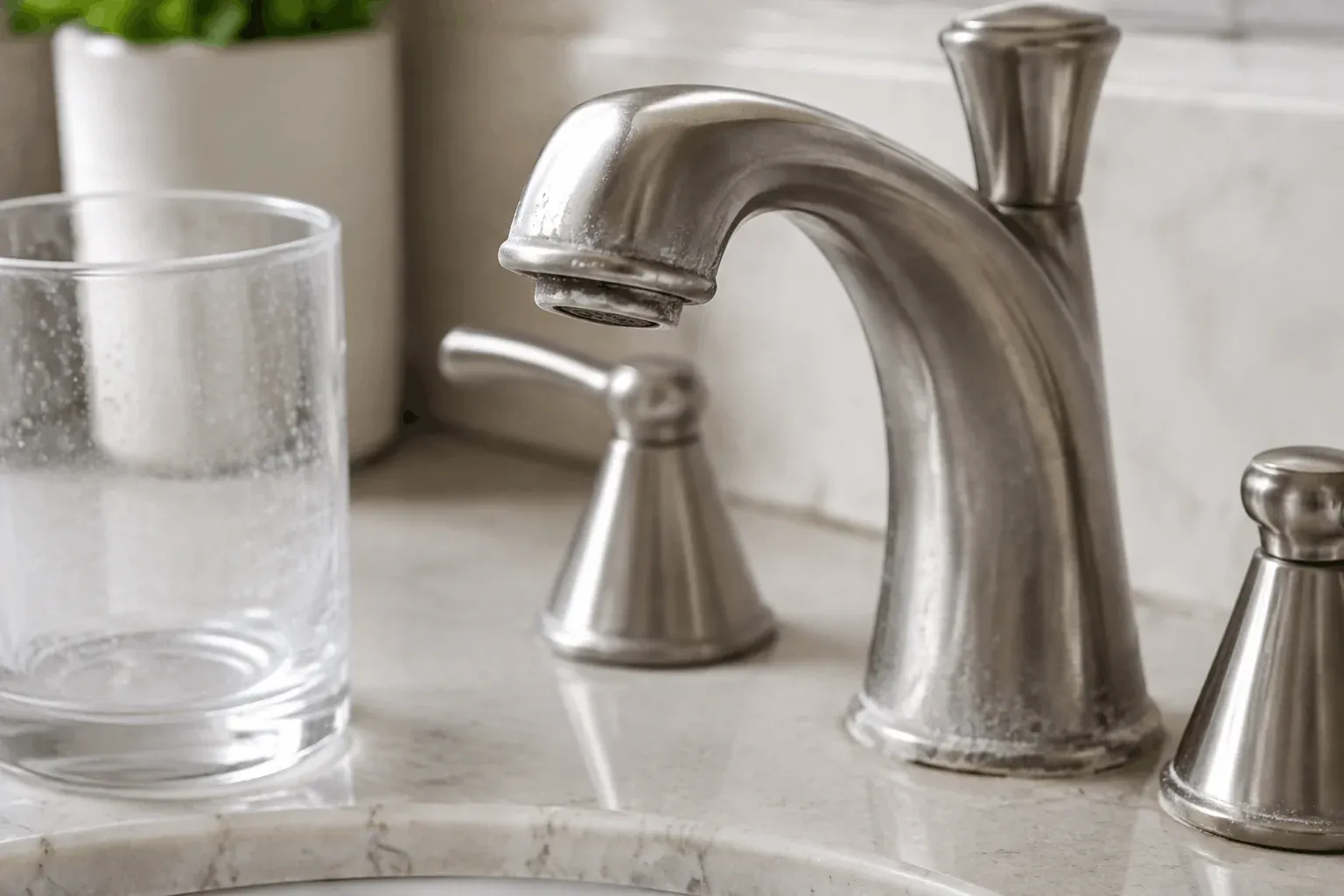
There is no single DFW hardness figure.
There is no single hardness figure for Dallas-Fort Worth, because there is no single supply. Fort Worth reports 100 to 171 mg/L, about 6 to 10 grains. Mansfield publishes 90 to 120 mg/L, about 5 to 7 grains. The North Texas Municipal Water District reports up to 202 mg/L, about 11.8 grains by its own conversion, which is very hard on the USGS scale. That is a spread of roughly double from one side of the metroplex to the other.
Publishing one regional number across fourteen city pages would be wrong in the two largest markets, and it would size equipment incorrectly for everyone else. So this hub carries a per-city figure, or an explicit statement that no figure is published.

How hard is the water in Dallas-Fort Worth?
It varies substantially by city. Across the fourteen cities we serve, figures range from about 5 grains per gallon in Mansfield to about 11.8 in the NTMWD-supplied cities. Fort Worth reports 7 to 10. Four cities publish no hardness figure at all, so the only reliable number there is a measurement at your tap.
How to read these pages
Grains per gallon, and where the threshold sits.
Hardness is measured either as milligrams per liter of calcium carbonate or as grains per gallon. To convert, divide milligrams per liter by 17.12, which is the conversion NTMWD itself states. Water above roughly 7 grains per gallon is classed as hard; below about 3.5 it is soft.
That 7-grain line is why the per-city figures matter so much here. Several of our markets sit directly on it, which means a softener is a judgment call to be settled by a measurement rather than an assumption.
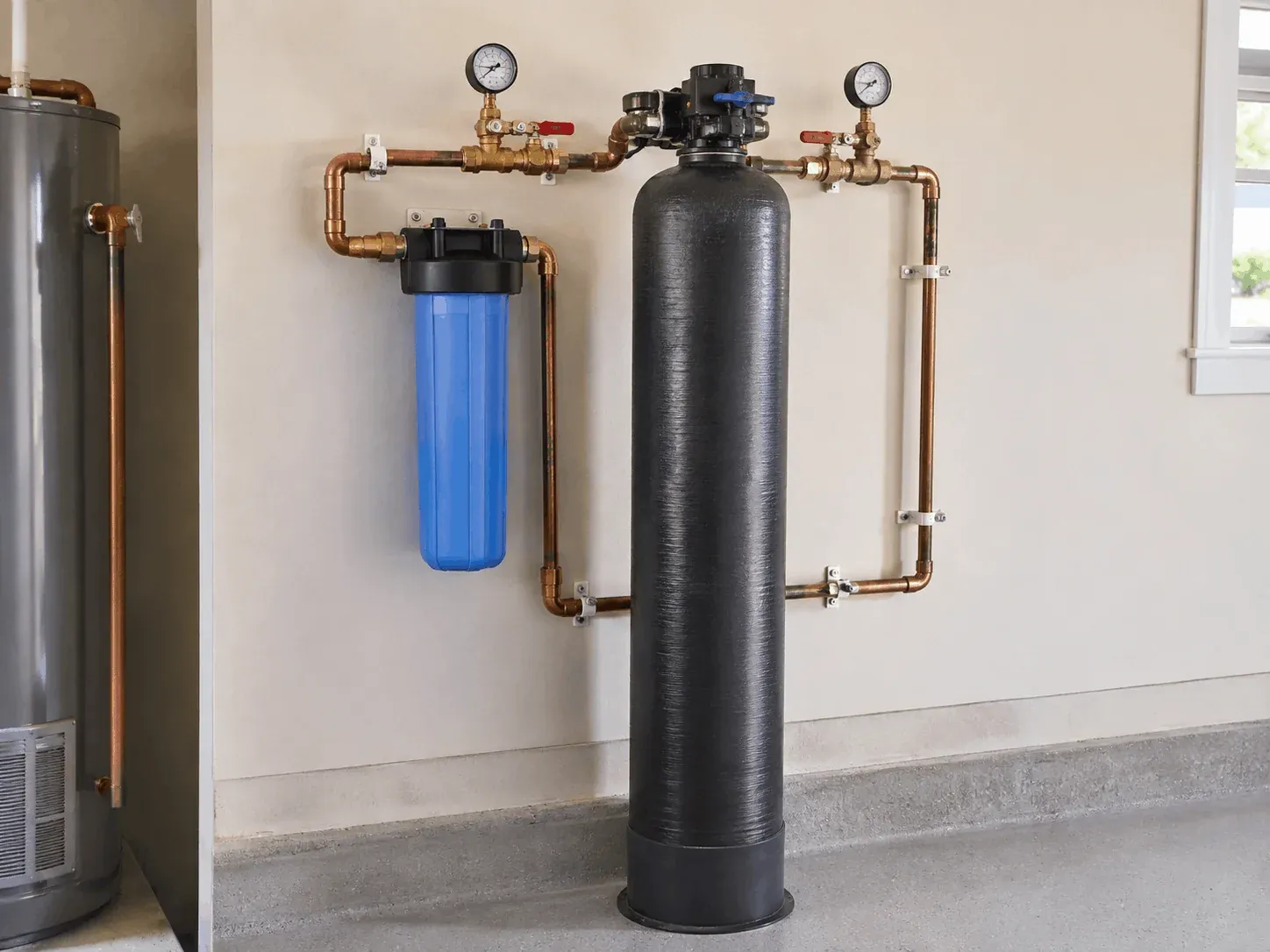
Water quality report, city by city.
Each one names the city or district report the figures came from, so you can read the source yourself.

Dallas
8 to 9 grains · Hard
Read the report
Fort Worth
6 to 10 grains · Moderately hard to hard
Read the report
Plano
11.8 grains · Very hard
Read the report
Frisco
11.8 grains · Very hard
Read the report
Allen
11.8 grains · Very hard
Read the report
Coppell
Dallas supply · Follows the Dallas profile
Read the report
Carrollton
Test first · No city figure published
Read the report
Grand Prairie
Three sources · Varies by neighborhood and by season
Read the report
Southlake
6 to 10 grains · Moderately hard to hard
Read the report
Colleyville
Test first · Follows the Tarrant County supply
Read the report
Grapevine
6.8 to 7.3 grains · Moderately hard to hard
Read the report
Mansfield
5 to 7 grains · Moderately hard
Read the report
Anna
Blended supply · Groundwater and surface water mixed
Read the report
Melissa
455 ppm dissolved solids · Blended supply, so the regional hardness figure does not apply
Read the reportAnswered before you ask.
Where do these figures come from?
Each city page names its source: a municipal Consumer Confidence Report, a city water quality page, or the North Texas Municipal Water District’s own reporting. Where a city publishes no figure at all, the page says that plainly rather than borrowing a number from somewhere else.
What if my city does not publish a hardness number?
It changes nothing about what you get. We size the system to your house rather than to a city average, and the quote is free either way.
How do I convert mg/L to grains per gallon?
Divide the milligrams-per-liter figure by 17.12. That is the conversion the North Texas Municipal Water District states in its own reporting, which is why we use it rather than a rounded approximation. 202 mg/L works out at about 11.8 grains per gallon.
Find your city, get your price.
Open your city in the list above for the figures it publishes, then tell us what you are seeing at your own tap and we will quote what your home needs.